
In today’s digital-first world, your website is more than a virtual brochure—it’s your 24/7 sales machine, brand hub, and credibility signal. Whether you’re a small business owner, coach, consultant, freelancer, or an aspiring web designer, WordPress Website Design is one of the most powerful ways to build a professional, high-converting online presence.
WordPress powers over 40% of all websites on the internet, making it the world’s most popular content management system (CMS).WordPress.org English (Canada) It’s flexible, scalable, SEO-friendly, and future-proof—perfect for both beginners and growing brands.
But there’s a big difference between having a WordPress site and having a strategically designed, fast, secure, conversion-focused WordPress website that actually grows your business.
This pillar guide will show you exactly how to get there.
Whether you plan to hire a professional designer or learn WordPress yourself, you’ll discover how to:
- Build a stunning, mobile-responsive site that looks great on every device
- Create a SEO-friendly structure that Google can understand and rank
- Turn visitors into leads and customers with conversion-optimized design
- Add powerful features using WooCommerce, plugins, and integrations
- Keep your site secure, fast, and well-maintained long term
And when you’re ready to take action, you’ll find a curated recommendation:
🔗 Recommended WordPress Website Design Service
Work with professionals who build high-converting, fast, secure WordPress sites:
https://topratedaffi.com/recommends/wordpress-website-design/
(Affiliate disclosure: I may earn a commission from qualifying purchases through this link, at no extra cost to you.)
Table of Contents
1. What Is WordPress Website Design & Why It Matters
WordPress Website Design is the process of planning, designing, building, and optimizing a website using the WordPress platform—with a strategic focus on branding, usability, SEO, and conversions.
It’s not just about choosing a theme and adding some pages. A professional design process looks at:
- Who you serve (your audience)
- What you offer (services, products, brand)
- What you want visitors to do (contact, book, buy, subscribe)
- How your website supports your business goals
A truly effective WordPress website should:
- Look visually professional and on-brand
- Be easy to navigate and understand
- Load fast, even on mobile
- Be secure and protected from spam/malware
- Rank well in search engines through clean structure and SEO
- Convert visitors into leads, customers, or subscribers
Good WordPress Website Design brings all of that together into one powerful digital asset.
2. Why Choose WordPress for Your Business Website?
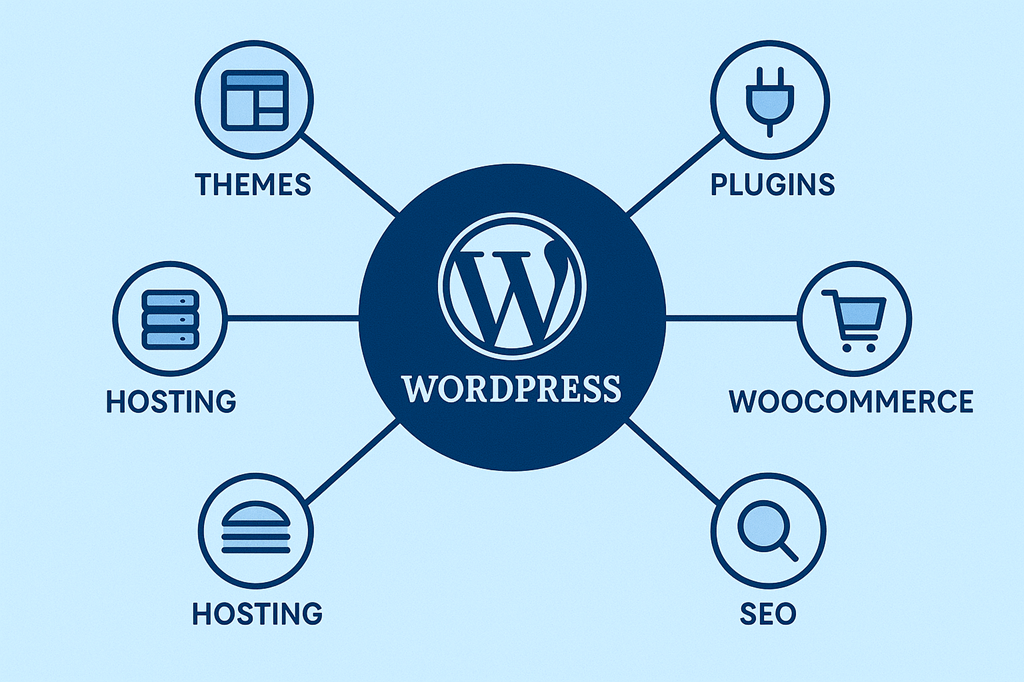
WordPress is an open-source CMS used by millions of businesses—from solo creators to major brands.WordPress.org English (Canada)
Here’s why it’s ideal for both business owners and beginners learning web design.
2.1 Open-Source Flexibility & Ownership
Unlike closed website builders, self-hosted WordPress (from WordPress.org) gives you:
- Full ownership of your content and data
- Freedom to choose any hosting provider
- Access to thousands of themes and pluginsWordPress.org English (Canada)+1
You’re never “locked in” to a single company.
2.2 Unlimited Customization
With thousands of free and premium themes and plugins, plus the block-based Gutenberg editor, you can build nearly any type of site: business, blog, portfolio, membership, e-commerce, or LMS.WordPress.org+1
2.3 SEO-Friendly by Design
WordPress is built with a clean codebase and a structure search engines understand. Combined with an SEO plugin like Rank Math, you get granular control over meta titles, descriptions, schema, sitemaps, and more.WordPress.org+1
2.4 Perfect for E-Commerce with WooCommerce
WooCommerce is the official e-commerce plugin for WordPress, used by small and large online stores worldwide.WordPress.org English (Canada)+1
It lets you sell:
- Physical products
- Digital downloads
- Subscriptions
- Services
- Membership access
…and integrates with countless payment gateways and shipping tools.
2.5 Beginner-Friendly Yet Enterprise-Ready
You can start with a simple site and keep scaling into:
- Membership portals
- Complex stores
- Multi-language sites
- Custom dashboards
- API integrations
The same platform works for small businesses and enterprise-level brands.
3. Professional WordPress Website Design vs DIY
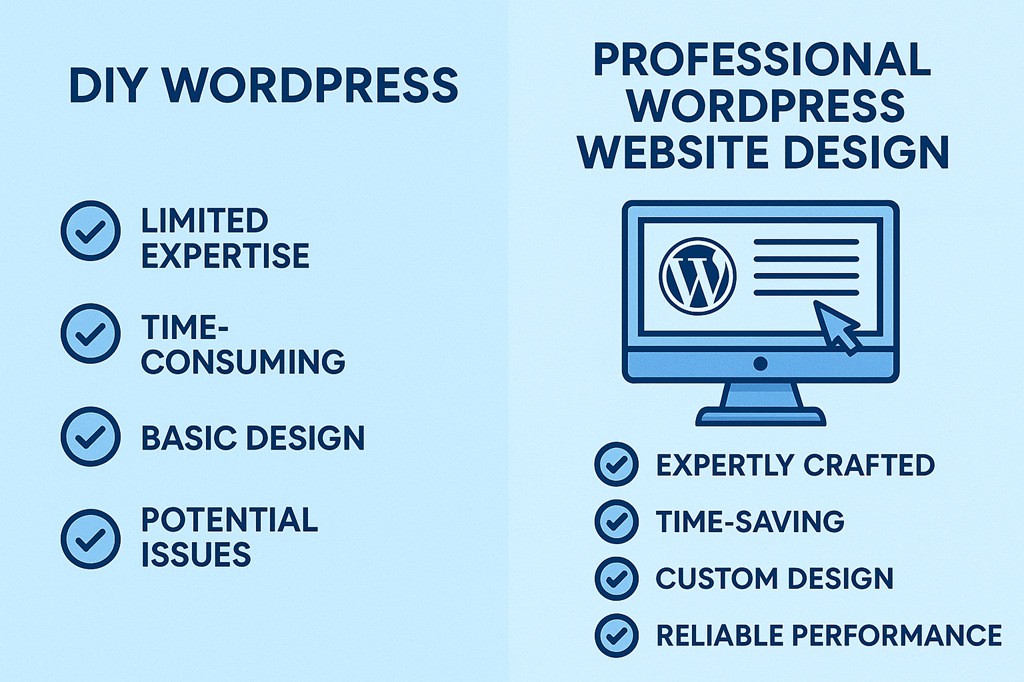
Both beginners and business owners can use WordPress—but the outcomes are very different depending on your approach.
3.1 DIY WordPress (Beginner Route)
Perfect if you:
- Want to learn WordPress
- Are building a first personal site, blog, or small project
- Have more time than budget
You’ll likely use:
- A pre-built theme or starter template
- A drag-and-drop builder like Elementor, Divi, or Gutenberg
- Basic plugins for forms, SEO, caching, and security
This is a great learning path—but it has limits in performance, branding, and technical depth.
3.2 Professional WordPress Website Design (Business Growth Route)
Ideal if you:
- Need your website to generate leads or sales consistently
- Don’t have time to manage technical details
- Want a bespoke, conversion-focused design
- Need e-commerce, dynamic functionality, integrations, or advanced SEO
A professional design team delivers:
- Custom brand-aligned design
- Advanced UX and conversion strategy
- SEO structure and RankMath setup
- Performance optimization and Core Web Vitals focusGoogle for Developers+1
- Security hardening, backups, maintenance
🔗 Want a done-for-you solution?
Hire experts to build a professional, high-converting WordPress site:
https://topratedaffi.com/recommends/wordpress-website-design/
4. Core Pillars of High-Converting WordPress Website Design
To build a site that actually drives results, your WordPress Website Design must be built on five core pillars:
4.1 Strategy
- Clear target audience
- Defined goals (book a call, purchase, opt-in, etc.)
- Competitive and keyword research
- Content and offer strategy
4.2 Branding & Visual Identity
- Colors, fonts, imagery that reflect your brand
- Consistent styling across all pages
- Professional logo placement and brand elements
4.3 UX & Conversion Design
- Intuitive navigation
- Clear hierarchy and layout
- Strategic CTAs
- Social proof, testimonials, trust badges
- Simple, friction-free forms
4.4 Technical Performance
- Fast load times (Core Web Vitals)Google for Developers+1
- Clean, lightweight theme
- Optimized images and scripts
- Proper hosting and CDN setup
4.5 SEO & Content Structure
- Logical URL and page hierarchy
- Optimized headings (H1–H6)
- RankMath configuration and schema
- Search-intent-driven content
Get these five pillars right, and your WordPress site becomes a growth engine instead of an online brochure.
5. Our WordPress Design & Development Process (Step-by-Step)
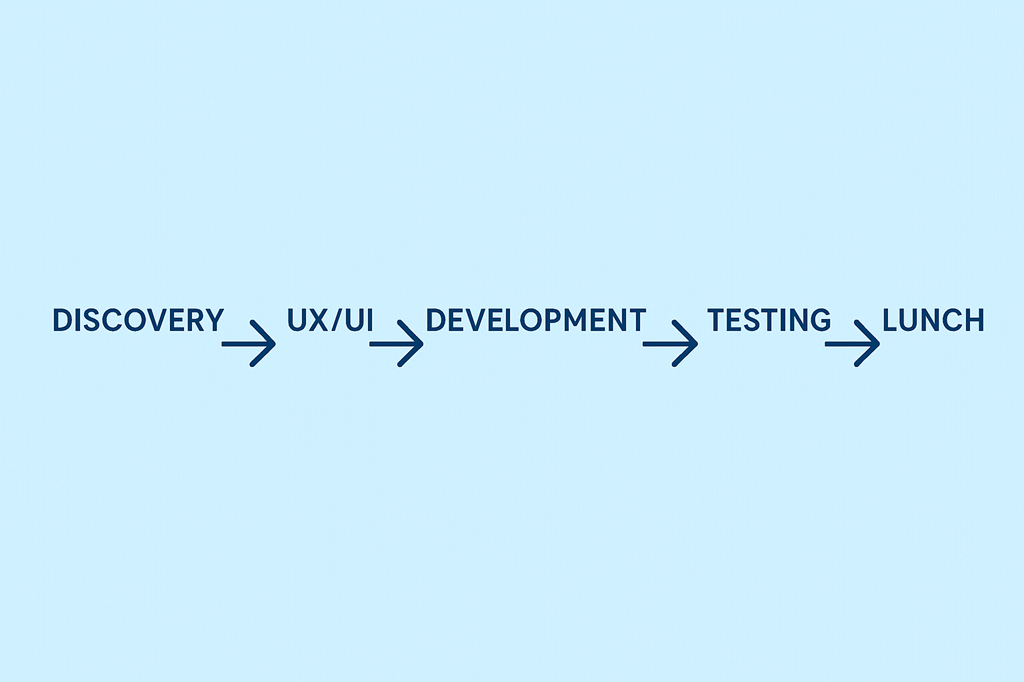
Here’s a strategic, repeatable process you (or your designer) can use.
5.1 Discovery & Strategy
- Business and brand analysis
- Audience research and positioning
- Competitor and keyword research
- Site architecture planning (sitemap)
- Content and SEO strategy alignment
Deliverables: sitemap, wireframes, content plan, core keywords.
5.2 UI/UX Design
- Wireframes for key pages (home, services, product, contact)
- Mobile-first design approach
- Visual mockups and style guide (colors, fonts, buttons, components)
- Conversion-focused layouts (CTA placement, social proof, benefits)
5.3 Custom WordPress Development
- Clean, lightweight custom theme or child theme
- Gutenberg or page builder layout implementation
- Plugin configuration (forms, SEO, security, caching, backups)
- Custom post types (for services, portfolio, case studies, etc.)
5.4 Content Integration & Optimization
- Copy formatting (headings, bullets, internal links)
- Media optimization (images, WebP, alt tags, compression)
- RankMath SEO setup: titles, meta, schema, sitemapsWordPress.org+1
- Conversion-focused layout adjustments based on content
5.5 Testing & Quality Assurance
- Cross-browser and device testing
- Performance tests (PageSpeed Insights, GTmetrix)PageSpeed Insights+1
- Security and plugin conflict checks
- Form submissions and funnels testing
5.6 Launch & Post-Launch Support
- Final SEO checks and indexing
- Redirect mapping (from old URLs, if re-designing)
- Client training for content editing
- Optional maintenance, support, and reporting
6. Custom WordPress Development for Modern Businesses
Many brands outgrow cookie-cutter templates. That’s where Custom WordPress Development comes in.
6.1 When Do You Need Custom Development?
- You want unique layouts and components not available in off-the-shelf themes
- You need complex logic, membership areas, or custom dashboards
- You require third-party integrations (CRM, ERP, booking, LMS)
- You want ultra-optimized performance and clean code
6.2 What Custom WordPress Development Includes
- Custom theme from scratch or heavily customized base theme
- Custom post types & taxonomies (services, projects, courses)
- Tailored admin interfaces for easy content management
- Custom plugins for specific functionality
- API connections (payment providers, marketing tools, CRMs)
6.3 Advantages for Business Owners
- A truly unique brand presence
- Less plugin bloat → faster performance
- Better scalability and long-term maintainability
- Easier workflows for your team
🔗 Prefer a custom-built WordPress solution instead of generic templates?
Get a custom, conversion-focused WordPress site here:
https://topratedaffi.com/recommends/wordpress-website-design/
7. Fast, Secure & SEO-Optimized WordPress Websites
Speed, security, and SEO are the engine room of your website.
7.1 Why Speed Matters
- Users abandon slow sites (especially on mobile)
- Google uses speed and Core Web Vitals as ranking signalsGoogle for Developers+1
- Faster sites convert better and feel more professional
Key tools: Google PageSpeed Insights, Lighthouse, WebPageTestPageSpeed Insights+1
7.2 Why Security Matters
- Protects user data and business reputation
- Prevents malware, spam, and blacklisting by Google
- Reduces downtime and revenue loss
Security basics:
- SSL certificate (HTTPS)
- Strong passwords and limited login attempts
- Firewalls and security plugins
- Regular backups and updates
7.3 Why SEO Optimization Matters
SEO brings free, long-term traffic to your site. With WordPress + Rank Math, you can:
- Optimize titles, meta descriptions, and slugs
- Add schema (rich snippets)
- Generate XML sitemaps automatically
- Analyze content readability and keyword placementWordPress.org+1
8. E-Commerce & WooCommerce WordPress Stores
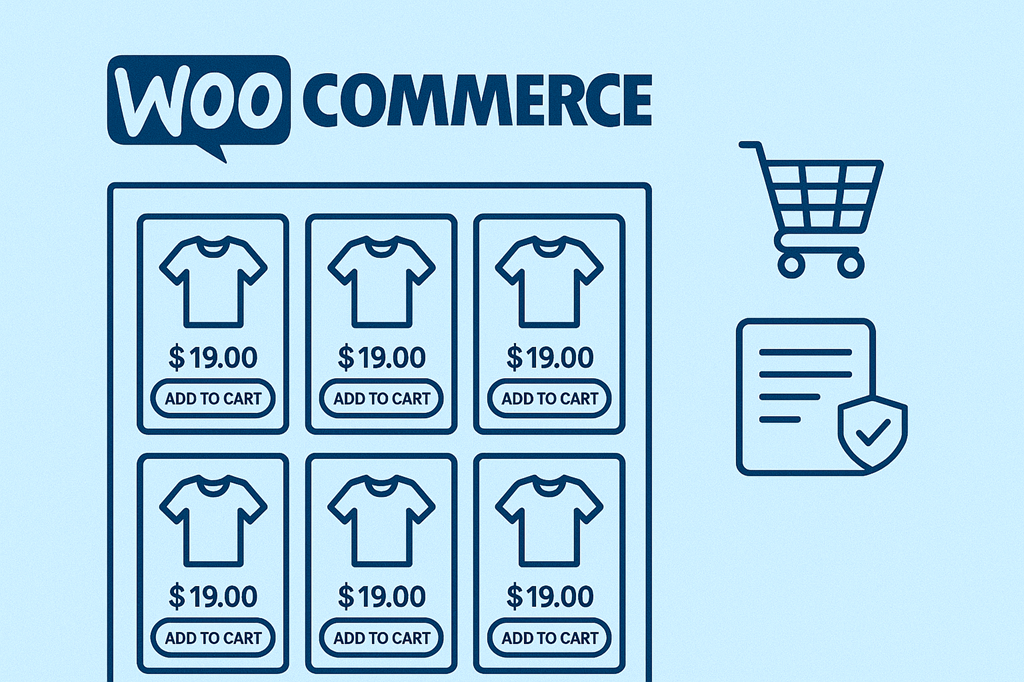
If you want to sell products or services online, WooCommerce is the natural choice for WordPress. It’s the most widely used e-commerce plugin, open-source, and highly extensible.WordPress.org English (Canada)+1
8.1 What You Can Sell with WooCommerce
- Physical products (shipping rules & taxes included)
- Digital downloads (courses, PDFs, software)
- Services and bookings
- Subscriptions and memberships
8.2 Essential WooCommerce Features
Your WooCommerce store should include:
- Branded product catalogs & categories
- Secure payment gateways (Stripe, PayPal, local options)
- Tax and shipping configuration
- Cart, checkout, and order confirmation flows
- Account dashboards and order tracking
- Coupons, discounts, and promotions
- Abandoned cart recovery tools
8.3 Why WooCommerce Works for Businesses
- Open-source → full ownership of store and dataWordPress.org English (Canada)+1
- Integrates seamlessly with WordPress content
- Large ecosystem of extensions and integrations
- Scales from small shops to enterprise stores
9. Responsive & Mobile-Friendly WordPress Design
Most visitors now browse on mobile devices. Google also uses mobile-first indexing—so your WordPress Website Design must be fully responsive.
9.1 What “Responsive” Really Means
- Layout flexes across phones, tablets, laptops, and large screens
- Navigation is thumb-friendly and easy to tap
- Buttons are visible and clearly labeled
- Fonts are readable without zooming
- Images resize without breaking layout
9.2 Benefits of Responsive WordPress Design
- Higher engagement and time on site
- Lower bounce rates
- Better SEO performance
- More conversions from mobile users
10. Website Maintenance & Support Plans
A WordPress site is not “set and forget.” It’s a living system that requires ongoing care.
10.1 What Ongoing Maintenance Includes
- Core, theme, and plugin updates
- Daily/weekly backups
- Security scans and malware protection
- Performance monitoring and optimization
- Uptime checks
- Fixing bugs or conflicts after updates
10.2 Why Maintenance Is Critical
- Prevents hacks and data loss
- Maintains speed and stability
- Avoids plugin conflicts and white-screen errors
- Keeps you compliant and SEO-ready
If you don’t want to manage all of this yourself, a maintenance plan is one of the smartest investments you can make.
11. Tailored WordPress Themes for Your Brand
Suggested Image:
A moodboard with fonts, colors, buttons, and a WordPress theme layout.
Your theme is the visual and structural foundation of your site.
11.1 Why “Just Using Any Theme” Is Risky
- Many themes are bloated with unused features
- Poor coding can slow your site and hurt SEO
- Generic designs make your brand forgettable
11.2 Benefits of a Tailored Theme
- Brand-aligned colors, fonts, and components
- Custom layouts for home, services, blog, and landing pages
- Lightweight code → faster performance
- Easier to scale and maintain
You can start from:
- A premium base theme (GeneratePress, Astra, Kadence, Block themes) and heavily customize it
- Or a fully custom theme built specifically for your brand
12. Speed & Performance Optimization for WordPress
Page speed is one of the biggest levers for UX, SEO, and conversion rates.
12.1 Key Optimization Techniques
- Image compression (WebP, lazy loading)
- Caching (page cache, object cache)
- Minification of CSS, JS, and HTML
- Database optimization (cleanup, indexes)
- Plugin audit to remove heavy or unused plugins
- Use of CDN (Content Delivery Network)
- Lightweight theme and builder choice
12.2 Tools to Measure Performance
- Google PageSpeed InsightsPageSpeed Insights+1
- Lighthouse (via Chrome DevTools)
- GTmetrix or WebPageTest
Regular speed audits help you stay ahead as your content and traffic grow.
13. Custom Plugins & Advanced Integrations
Not every feature should be handled by a plugin—but when done right, custom plugins and integrations can transform your website into a powerful system.
13.1 What Custom Plugins Can Do
- Booking and scheduling systems
- CRM integrations (HubSpot, Salesforce, Zoho)
- Custom dashboards and reporting
- Membership and user management
- Automation workflows via APIs
13.2 Benefits of Custom vs Generic Plugins
- Tailored to your exact business workflow
- Cleaner performance and less bloat
- Better security and long-term stability
- Easier to scale and evolve
14. UX-Driven WordPress Design for Conversions
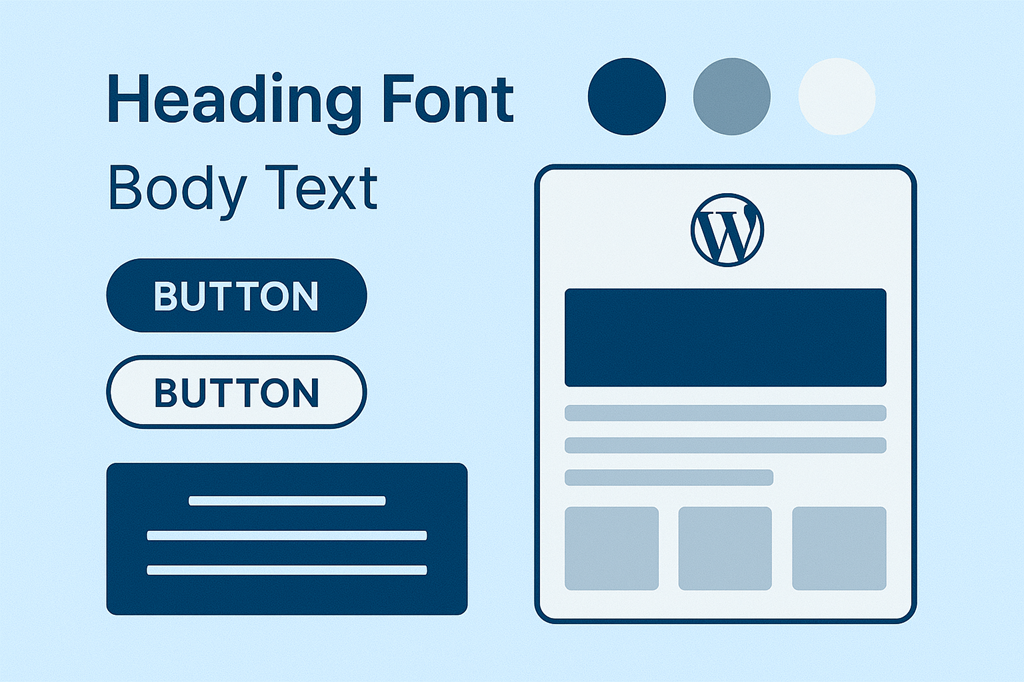
Beautiful design alone is not enough—you need UX (User Experience) + Conversion Strategy.
14.1 Key UX Principles for WordPress Websites
- One clear goal per page (don’t overload)
- Intuitive navigation and menus
- Clear headings and scannable content
- High-contrast, readable typography
- Consistent visual patterns and spacing
14.2 Conversion Tactics That Work
- Benefit-driven headlines
- Visible, compelling CTAs above the fold
- Social proof (case studies, testimonials, logos)
- Risk reversals (guarantees, refund policies, FAQs)
- Short, friction-free forms
- Live chat or quick contact options
15. Advanced Security, Backup & Spam Protection
Security is non-negotiable—especially if you handle payments, user accounts, or sensitive data.
15.1 Must-Have Security Layers
- SSL and HTTPS
- Web application firewall (WAF)
- Malware scanning and removal tools
- Login protection and 2FA
- Hardened file permissions and server settings
15.2 Backup Strategy
- Automated daily/weekly backups
- Off-site storage (cloud, S3, remote server)
- Easy one-click restore system
15.3 Spam & Bot Protection
- Spam-blocking on forms and comments
- reCAPTCHA or similar tools
- Rate limiting and IP blocking
A secure website protects your customers, your reputation, and your revenue.
16. SEO-Friendly Structure, RankMath & Content Setup
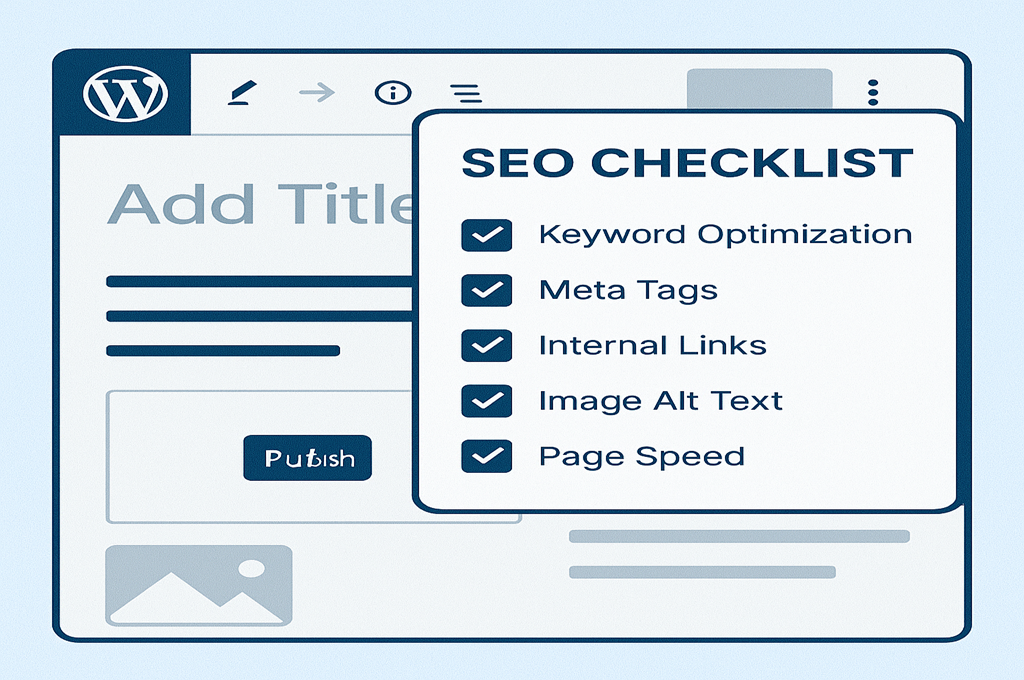
A fully SEO-optimized WordPress Website Design starts with structure, then content, then tools.
16.1 SEO-Friendly Site Architecture
- Clear hierarchy: Home → Category → Subpage
- Clean, human-readable URL slugs
- Internal linking between related pages and posts
- A logical blog category and tag structure
16.2 Rank Math Setup
Rank Math is a powerful SEO plugin designed for WordPress that helps with on-page SEO, schema, sitemaps, breadcrumbs, and more.WordPress.org+1
Set up:
- XML sitemaps
- Search engine indexing controls
- Breadcrumbs
- Meta titles & descriptions templates
- Schema types (Article, Product, LocalBusiness, etc.)
16.3 On-Page SEO Best Practices
- One primary keyword per page/post
- Use the keyword naturally in H1, some H2s, intro, and conclusion
- Include semantic and related terms
- Optimize images with alt text and descriptive filenames
- Write unique, compelling meta descriptions
17. Theme Setup, Styling & Drag-and-Drop Page Builders
Thanks to visual page builders, beginners can design pages without code—while professionals can prototype faster.
17.1 Popular WordPress Page Builders
- Gutenberg (Block Editor) – native, fast, evolving rapidlyWordPress.org
- Elementor – highly popular drag-and-drop builder
- Divi – all-in-one theme + builder
- Bricks, Oxygen, Beaver Builder, WPBakery – advanced tools for specific needs
17.2 Best Practices for Using Page Builders
- Use global styles for colors, fonts, and spacing
- Create reusable sections (headers, footers, CTAs, testimonials)
- Avoid stacking too many nested elements
- Balance design flexibility with performance
17.3 Custom Theme Styling
- Harmonize typography and font sizes
- Use a consistent color palette
- Limit button and component variations
- Ensure everything remains responsive
18. Hosting, CDN & Technical Foundation
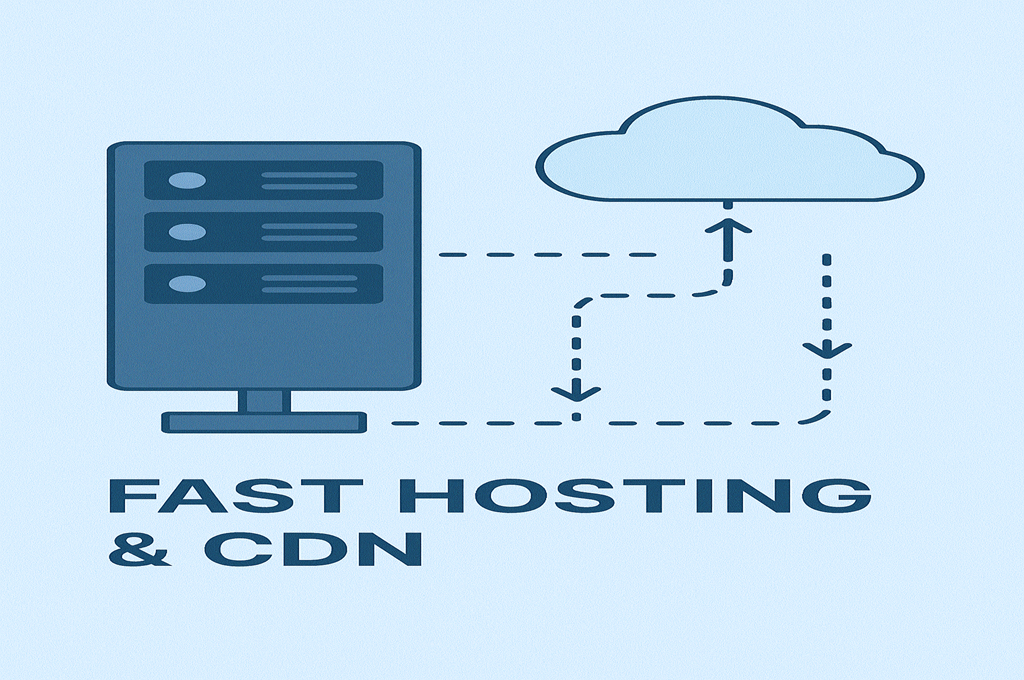
Your hosting environment is the foundation of your WordPress Website Design.
18.1 Recommended Hosting Types
- Managed WordPress hosting – best balance of performance and ease
- VPS or cloud hosting – more control and scalability
- Shared hosting – budget-friendly but limited
The official WordPress site maintains a list of recommended hosts.WordPress.org
18.2 Why Use a CDN?
A Content Delivery Network (CDN) like Cloudflare improves:
- Load time across regions
- DDoS protection and security
- Bandwidth efficiency
18.3 Essential Server-Side Optimizations
- PHP version updated (8.x+)
- HTTP/2 or HTTP/3 enabled
- Server caching and OPcache enabled
- GZIP/Brotli compression
19. Accessibility, Multilingual & Global Reach
19.1 Accessibility (ADA/WCAG)
Accessibility improves usability for everyone—especially users with disabilities.
Key enhancements:
- Proper heading structure
- Image alt text and ARIA labels
- Keyboard-friendly navigation
- Adequate color contrast
- Clear form labels and error messages
19.2 Multilingual WordPress
Plugins like WPML, Polylang, or Weglot allow you to build multi-language sites with:
- Language switchers
- Translated menus and pages
- SEO-friendly hreflang tags
This helps you reach international markets and build global trust.
20. Analytics, Search Console & Data-Driven Growth
Without data, you’re guessing.
20.1 Google Analytics / GA4
Use GA4 to track:
- Traffic sources
- User behavior and funnels
- Conversions and goals
20.2 Google Search Console
Search Console shows:
- What queries bring people to your site
- Which pages get impressions and clicks
- Index coverage status
- Core Web Vitals and page experience issuesSite Kit by Google
Together, these tools help you refine content, funnels, and SEO strategy.
21. Conversion-Focused Landing Pages & Funnels
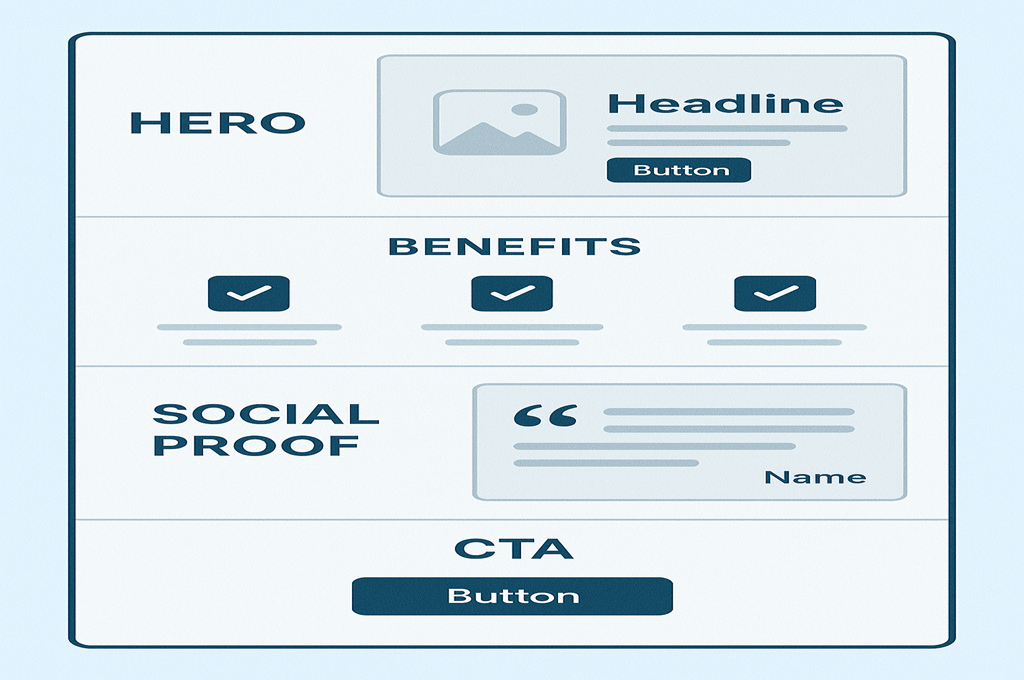
Landing pages are specialized pages designed for one primary goal—like generating leads from ads or email campaigns.
21.1 Elements of a High-Converting Landing Page
- Clear, benefit-driven headline
- Short explanation of the offer
- Visuals (mockups, screenshots, demo)
- Social proof (testimonials, logos, results)
- Powerful CTA (“Book a Free Strategy Call”, “Start Free Trial”)
- Minimal navigation and distractions
21.2 Where to Use Landing Pages
- Google Ads or Facebook Ads campaigns
- Product launches
- Webinar or event registration
- Lead magnets (guides, checklists, templates)
Building landing pages in WordPress with Elementor, Gutenberg, or similar builders gives you full control—no extra SaaS tool required.
22. How Much Does WordPress Website Design Cost?
Pricing can vary significantly depending on complexity, scope, and who you hire.
22.1 DIY Costs
- Domain + hosting: ~$5–$25/month
- Premium theme: $30–$100 (one-time or yearly)
- Premium plugins (optional): $0–$500/year
Best if you’re learning and have time to invest.
22.2 Freelancer / Small Agency
Typical ranges:
- Simple brochure site (5–7 pages): $800–$3,000
- Advanced business site with blog & funnels: $2,500–$7,000
- WooCommerce store: $3,000–$10,000+
22.3 High-End / Custom Enterprise
- Complex membership platforms, SaaS-like experiences, custom dashboards, or multi-language e-commerce can cost $10,000–$50,000+ depending on features and integrations.
Remember: a well-designed, conversion-focused WordPress site often pays for itself through increased leads, sales, and credibility.
23. How to Choose the Right WordPress Website Designer
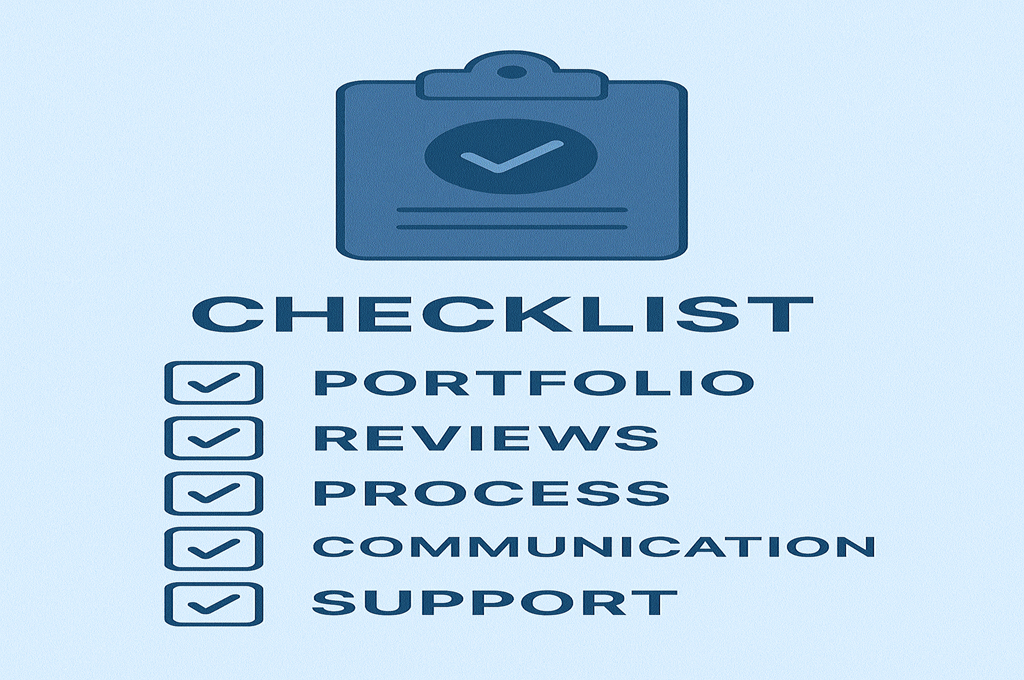
23.1 What to Look For
- Real portfolio of WordPress projects
- Case studies with results (traffic, leads, revenue)
- Experience with SEO, performance, and security
- Understanding of your business model, not just design
- Transparent pricing and clear scope
23.2 Questions to Ask
- What’s your design and development process?
- How do you handle SEO, speed, and security?
- What’s included after launch (support, fixes, training)?
- Will I own the website and access (hosting, domain, admin)?
- How do you track and measure success?
🔗 Want a vetted option without endless research?
Check this recommended WordPress Website Design service:
https://topratedaffi.com/recommends/wordpress-website-design/
24. FAQ: WordPress Website Design
Q1: Is WordPress good for beginners?
Yes. With visual page builders, block themes, and an intuitive dashboard, beginners can learn quickly—while still having room to grow into advanced features.
Q2: What’s the difference between WordPress.com and WordPress.org?
- WordPress.com is a hosted platform with plans that bundle hosting + software.WordPress.com
- WordPress.org is the self-hosted, open-source software you install on your own hosting.WordPress.org English (Canada)
For maximum flexibility and scalability, business sites usually choose self-hosted WordPress.org.
Q3: How long does it take to build a WordPress website?
- Simple business site: 2–4 weeks
- Medium site with blog and funnels: 4–8 weeks
- E-commerce / membership: 6–12+ weeks
Timeline depends on content readiness, approvals, complexity, and integrations.
Q4: Is WordPress secure?
Yes—if maintained properly. WordPress core is actively updated and maintained by a global community.WordPress.org English (Canada)+1 Most vulnerabilities come from:
- Outdated plugins or themes
- Weak passwords
- Insecure hosting
With updates, firewalls, backups, and good practices, WordPress is very secure.
Q5: Can WordPress handle high traffic?
With proper hosting, caching, and optimization, WordPress can handle very high traffic—many large publishers and e-commerce sites rely on it daily.WordPress.org English (Canada)+1
25. Ready to Build a Powerful WordPress Website That Drives Results?
Your website should do more than “exist.” It should:
- Attract qualified visitors
- Communicate your value clearly
- Build trust and authority
- Generate leads, bookings, and sales
- Grow with your business year after year
With strategic WordPress Website Design, you get:
- A professional, on-brand design
- Mobile-first, responsive layouts
- Fast, secure, SEO-ready structure
- Easy content management
- The flexibility to evolve over time
If you’re a business owner, this is how you become the obvious choice in your market.
If you’re a beginner learning WordPress, mastering these principles makes you a highly valuable web designer.
✅ Next Step for Business Owners
Get a professional, conversion-focused WordPress website built for you:
https://topratedaffi.com/recommends/wordpress-website-design/
✅ Next Step for Beginners
Start learning WordPress by practicing on real projects, using quality hosting, themes, and a solid SEO plugin like Rank Math.
26. Author Bio
Author Bio:
As a Fiverr Partner, I may earn a commission from qualifying purchases through these links—at no extra cost to you. I specialize in WordPress Website Design, performance optimization, and conversion-focused digital strategy, helping brands and beginners create fast, secure, and SEO-optimized WordPress sites that generate real business results. Whether you’re launching your first website or upgrading an existing one, my goal is to give you clear, actionable guidance and connect you with tools and services that support your long-term success online.