
Earn daily income using Facebook Twitter YouTube is a goal many beginners are now exploring as social media platforms evolve into powerful digital marketplaces. What once served purely as entertainment and communication tools has become an opportunity for individuals to participate in the online economy without advanced skills or prior experience.
Table of Contents
Introduction: Social Media as a Modern Income Channel
Earn daily income using Facebook Twitter YouTube is a concept that has gained attention as social media platforms evolve beyond entertainment and communication. Today, these platforms function as digital ecosystems where attention, trust, and content distribution translate into measurable economic value.
Every day, billions of users scroll through feeds, watch videos, join discussions, and share content. Behind this activity lies an enormous commercial infrastructure powered by advertisers, brands, service providers, and creators. While companies invest heavily to reach audiences, individuals can participate in this ecosystem by acting as educators, curators, and connectors.
This guide explores how beginners can approach social media monetization responsibly, what realistic income models exist, and how consistency—not hype—creates long-term results.
Earn Daily Income Using Facebook Twitter YouTube: A Beginner-Friendly Overview
The idea of earning online through social platforms does not require celebrity status or technical expertise. Instead, it relies on understanding how platforms reward attention and how businesses value targeted exposure.
Social media income typically comes from:
- Content-driven traffic
- Audience trust
- Ethical recommendations
- Long-term visibility
Unlike traditional jobs, social media income systems often start small and grow gradually. The focus should always be on learning skills, not chasing shortcuts.
Why Social Media Has Become an Income Opportunity
The Shift from Traditional Advertising
Traditional advertising methods—such as television, radio, and print—have declined in effectiveness. Businesses now prefer digital platforms where performance can be tracked in real time.
According to Investopedia, digital marketing emphasizes measurable engagement and targeted outreach rather than broad exposure.
🔗 https://www.investopedia.com/terms/d/digital-marketing.asp
This shift allows individuals to participate without owning products or managing inventory.
Understanding How Beginners Earn Through Social Platforms
Beginners earn income by participating in existing systems rather than creating new ones. These systems include:
- Affiliate marketing
- Content monetization
- Traffic redirection
- Brand partnerships
- Educational resource sharing
Each system rewards consistency and trust rather than speed.
Defining “Daily Income” Without Misleading Expectations
The term “daily income” often creates unrealistic assumptions. In practice, it refers to income systems capable of generating revenue on a regular basis once established.
Examples include:
- Recurring affiliate commissions
- Ongoing video ad revenue
- Evergreen blog traffic
These results usually follow weeks or months of effort, not days.
Platform Breakdown: How Each Social Network Fits In
Facebook: Community-Based Engagement
Facebook excels at group discussions, long-form posts, and relationship building.
Beginner Opportunities on Facebook
- Niche group participation
- Educational posting
- Resource sharing
- Traffic generation to external content
Affiliate marketing is commonly used on Facebook when disclosures are included and group rules are respected.
🔗 Affiliate marketing overview:
https://www.investopedia.com/terms/a/affiliate-marketing.asp
Twitter (X): Short-Form Authority Building
Twitter focuses on ideas, opinions, and trends rather than long explanations.
How Beginners Use Twitter
- Posting educational threads
- Sharing insights
- Linking to external guides
- Participating in niche discussions
Accounts with modest follower counts can still attract meaningful traffic through consistency.
YouTube: Long-Form Content Discovery
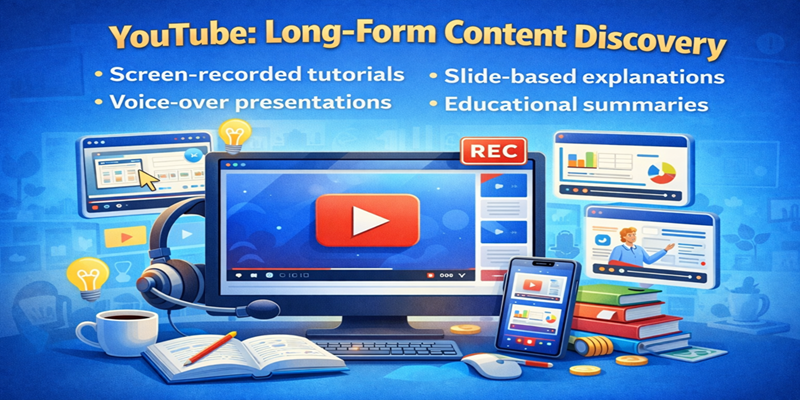
YouTube operates as both a search engine and a content platform.
Beginner-Friendly YouTube Content
- Screen-recorded tutorials
- Voice-over presentations
- Slide-based explanations
- Educational summaries
Monetization options include ad revenue and affiliate links.
🔗 YouTube monetization guidelines:
https://support.google.com/youtube/answer/72857
Faceless Content: Lower Barrier to Entry
Many beginners avoid social media because they fear public exposure. Faceless content removes this barrier.
Examples include:
- Narrated screen recordings
- Animated slides
- Text-based visuals
- Educational compilations
This approach prioritizes information quality over personality.
Combining Platforms for Sustainable Growth
Using one platform limits reach. Combining platforms increases visibility and stability.
Example Strategy
- YouTube hosts in-depth explanations
- Twitter distributes short insights
- Facebook builds community discussion
This diversification reduces dependence on a single platform.
Content Types That Perform Well for Beginners
Content that solves problems tends to perform best.
Examples:
- How-to guides
- Beginner tutorials
- Tool explanations
- Mistake avoidance content
Educational content aligns well with AdSense policies and long-term SEO.
The Role of Traffic in Online Income
Traffic refers to users visiting your content or links.
Traffic sources include:
- Organic social posts
- Search engine visibility
- Community sharing
- Email lists
Traffic quality matters more than volume.
Email Marketing as a Supporting Tool
Email marketing helps maintain long-term contact with interested users.
Benefits include:
- Direct communication
- Platform independence
- Repeat engagement
🔗 Email marketing overview:
https://www.mailerlite.com/email-marketing
Tools That Support Beginner Workflows
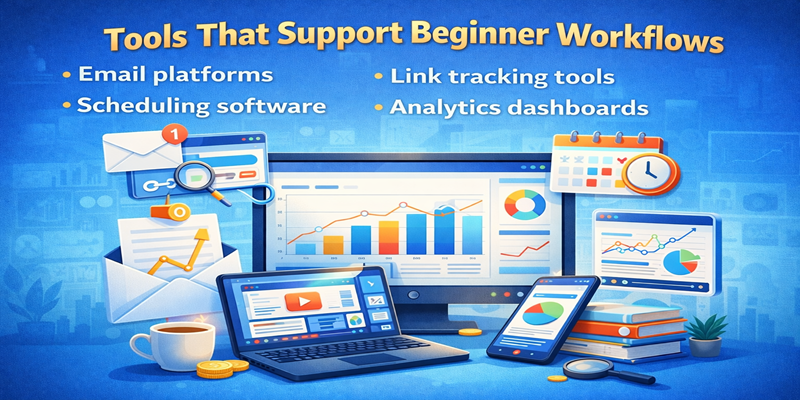
You do not need complex software to begin.
Helpful tools include:
- Email platforms
- Link tracking tools
- Scheduling software
- Analytics dashboards
Focus on simplicity over automation early on.
Time Commitment and Consistency
Most beginners underestimate the importance of consistency.
Typical expectations:
- 30–90 minutes daily
- Content batching
- Gradual improvement
Progress compounds over time.
Common Beginner Mistakes
Avoiding mistakes accelerates learning.
Common issues:
- Overposting links
- Ignoring platform rules
- Expecting immediate income
- Copying content
- Inconsistent posting
Learning from mistakes is part of the process.
Staying AdSense-Safe and Platform-Compliant
Compliance protects long-term income potential.
Best practices:
- Avoid exaggerated claims
- Use educational tone
- Include disclosures
- Link to authority sources
- Avoid misleading headlines
Google prioritizes trust and originality.
Affiliate Marketing for Beginners (Ethical Approach)
Affiliate marketing involves recommending products that solve problems.
Ethical affiliate marketing includes:
- Honest descriptions
- Clear disclosures
- Relevant recommendations
- Educational context
This builds trust rather than skepticism.
⭐ Recommended Beginner Training Resource (Affiliate)
For those seeking structured guidance, beginner-focused training programs can help clarify:
- Platform selection
- Content planning
- Traffic generation
- Compliance requirements
👉 Recommended Resource:
🔗 https://topratedaffi.com/recommends/training-resource/
Disclosure: This page may contain affiliate links. If you choose to use a recommended resource, I may earn a commission at no additional cost to you.
Scaling Beyond Beginner Level
As skills improve, opportunities expand.
Advanced options include:
- Sponsored content
- Digital products
- Consulting
- Community memberships
Scaling should follow mastery of fundamentals.
Measuring Progress Without Obsession
Metrics help guide decisions.
Useful metrics:
- Engagement rates
- Click-through rates
- Traffic growth
- Content consistency
Avoid comparing early progress to established creators.
Long-Term Sustainability
Sustainable income focuses on:
- Evergreen content
- Platform diversification
- Skill development
- Ethical practices
Short-term tactics often fail long-term.
Is Social Media Income Legitimate?
Yes—when approached responsibly.
Social media income is widely accepted across industries and used by:
- Educators
- Creators
- Consultants
- Businesses
Legitimacy comes from transparency and value.
Mindset for Beginners
Success depends more on mindset than tools.
Helpful traits:
- Patience
- Curiosity
- Adaptability
- Consistency
Avoid chasing trends without understanding fundamentals.
Final Thoughts: Turning Usage into Opportunity
Most people already spend time on social platforms. The difference between scrolling and earning lies in intentional learning and ethical action.
Start small. Learn continuously. Improve consistently.
Frequently Asked Questions
Can beginners earn income using social media platforms?
Yes. Beginners can learn ethical methods to generate income by sharing helpful content and building trust over time.
Do I need experience to start?
No prior experience is required. Most beginners learn by applying simple systems and improving gradually.
Is income guaranteed?
No. Results depend on consistency, learning, and ethical practices. Social media income is skill-based.
Author Bio
Author: Digital Monetization Analyst
Bio:
The author specializes in beginner-focused online income education, ethical affiliate marketing, and social media monetization research. With an emphasis on platform compliance and long-term sustainability, the author creates educational content designed to help newcomers understand digital income systems responsibly.