
Discover how a professional game developer builds high-quality, engaging, and scalable games. Learn essential skills, technologies, workflows, and best practices in this complete game development guide.
Table of Contents
1. Introduction: Why Game Developers Are the Backbone of Modern Digital Experiences
A Game Developer plays a critical role in shaping how millions of people interact with digital content. From mobile apps to browser games, enterprise gamification systems to AAA console titles, game developers bring ideas to life through code, visuals, design, psychology, and user experience.
The gaming industry is now larger than the film and music industries combined. With billions of players worldwide, businesses, educators, and brands increasingly rely on game developers to build interactive experiences that enhance engagement and retention.
Whether you want to build a mobile puzzle game, a 3D adventure, a VR experience, or an interactive mini-game for your website, understanding how game developers work—and what makes a good one—is essential.
If you’re looking for vetted professionals, explore this recommended resource:
👉 https://topratedaffi.com/recommends/game-developer/
2. What Exactly Does a Game Developer Do?
A Game Developer is responsible for designing, coding, testing, optimizing, and maintaining video games. Their expertise spans programming, gameplay mechanics, animation integration, performance tuning, backend systems, and more.
Core responsibilities include:
- Writing clean and efficient game logic
- Building interactions and gameplay mechanics
- Implementing UI/UX elements
- Integrating artwork, sound, and animation
- Testing and debugging
- Optimizing performance and memory usage
- Managing multiplayer features
- Implementing security protocols
- Publishing and updating the game
Game developers ensure the game runs smoothly, feels intuitive, and delivers an enjoyable experience across devices.
3. Essential Skills Every Successful Game Developer Must Have
Great game developers combine technical expertise with creativity and problem-solving.
Their foundational skills include:
✔ Programming & Scripting
Languages such as:
- C++
- C#
- JavaScript
- Python
- Java
- Kotlin
- Swift
✔ Mathematics & Physics
Games rely on:
- Vectors
- Movement physics
- Collisions
- Interpolation
- Timing systems
✔ Creativity
Game developers must build:
- Storylines
- Characters
- Challenges
- Reward systems
✔ Problem-Solving
Debugging, optimizing, and refining systems is daily work.
✔ Collaboration Skills
Game development is often teamwork among:
- Designers
- Developers
- Artists
- Testers
- Sound engineers
Developers who master these skills consistently build high-quality games.
4. Technical Foundations: Programming Languages for Game Development
Different projects require different game development languages.
Here’s an overview:
C++
Used in Unreal Engine and AAA titles. Fast and powerful.
C#
Primary language for Unity—great for mobile & indie games.
JavaScript / TypeScript
Used for browser games using WebGL, Phaser, or Three.js.
Python
Popular for prototyping and educational game development.
Java & Kotlin
Used for Android games.
Swift
Used for iOS games.
5. Choosing the Right Game Engine
Game engines help developers build games efficiently.
Top Engines:
1. Unity
Used for mobile, PC, VR, AR, console.
👉 Recommended:
https://topratedaffi.com/recommends/unity-game-developer/
2. Unreal Engine
AAA-quality games & advanced 3D graphics.
https://www.unrealengine.com
3. Godot Engine
Open-source and flexible.
4. Phaser
Great for browser-based 2D HTML5 games.
https://phaser.io
5. Buildbox
Beginner-friendly drag-and-drop tool.
Choosing the right engine depends on your project size, budget, and platform.
6. Game Design Fundamentals: Crafting Engaging Experiences
Before coding begins, game design shapes the user experience.
Key principles:
- Core gameplay loop
- Reward systems
- Difficulty curve
- Story and world-building
- Player psychology
The best games are built around simple but addictive mechanics.
7. Visual Development: Art, Animation & Aesthetic Quality
Art and animation define the emotional tone of the game.
Game developers collaborate with:
- 2D artists
- 3D modelers
- Texture artists
- Animators
- VFX artists
A visually consistent style adds depth and immersion.
8. The Game Development Pipeline Explained
A professional pipeline ensures stability, clarity, and scalability.
Stages include:
- Concept development
- Game design document (GDD)
- Prototyping
- Art creation
- Programming
- Sound & music
- Testing
- Optimization
- Publishing
- Updates & patches
A great Game Developer is familiar with every phase.
9. Frontend vs. Backend Responsibilities in Game Development
Frontend (Gameplay)
- User interface
- Visuals
- Controls
- Story elements
- Game mechanics
Backend (Systems)
- Databases
- Cloud services
- Player accounts
- Matchmaking
- Leaderboards
A scalable backend is essential for multiplayer gaming.
10. Building Scalable Games That Perform Across All Devices
Modern games must work seamlessly on:
- PC
- iOS
- Android
- Browsers
- Consoles
Developers rely on:
- Responsive UI
- Cross-platform libraries
- Efficient memory usage
- Optimized assets
11. UI/UX Design for Games
UI & UX determine how players interact.
Best practices:
- Minimal clutter
- Clear button states
- Adaptive layout
- Quick feedback
- Intuitive menus
A great UI increases accessibility and enjoyment.
12. Optimizing Performance for Smooth Gameplay
Performance affects retention and reviews.
Optimization strategies:
- Object pooling
- Texture compression
- Occlusion culling
- Level-of-detail (LOD)
- Efficient physics
Optimized games load faster and run smoother.
13. Cross-Platform Development
Players expect flexibility.
Game Developer platforms include:
- Mobile (Android/iOS)
- Web (HTML5/WebGL)
- PC
- VR/AR
- Consoles
Unity and Unreal are preferred for cross-platform support.
14. Why Hiring a Professional Game Developer Matters
Professional developers ensure your game is:
- Polished
- Stable
- Engaging
- Scalable
- Secure
They understand:
- Game logic
- User psychology
- Backend systems
- Optimization
- Art integration
👉 Hire vetted experts here:
https://topratedaffi.com/recommends/game-developer/
15. How Poor Game Development Hurts User Experience
Bad development causes:
- Crashes
- Lag
- Bugs
- Disconnection
- Poor graphics
- Abandoned players
This leads to:
- Low ratings
- Fewer downloads
- Refund requests
- Revenue loss
16. Game Monetization Models Explained
Popular monetization systems include:
✔ Ads
Rewarded video, banners, interstitials.
✔ In-App Purchases
Currency, skins, upgrades.
✔ Paid games
One-time purchase on app stores.
✔ Subscription models
✔ Battle passes
17. Multiplayer & Networking Systems
Multiplayer features require:
- Matchmaking
- Server hosting
- Lag compensation
- Peer-to-peer systems
- Anti-cheat measures
AWS, Azure, and Photon Engine are common solutions.
18. Game Security, Anti-Cheat & Data Protection
Security prevents:
- Hacking
- Cheating
- Account theft
- DDoS attacks
Developers integrate:
- Encryption
- Secure login
- Behavior analysis
- Server-side validation
19. Using Analytics to Improve Your Game
Analytics reveal:
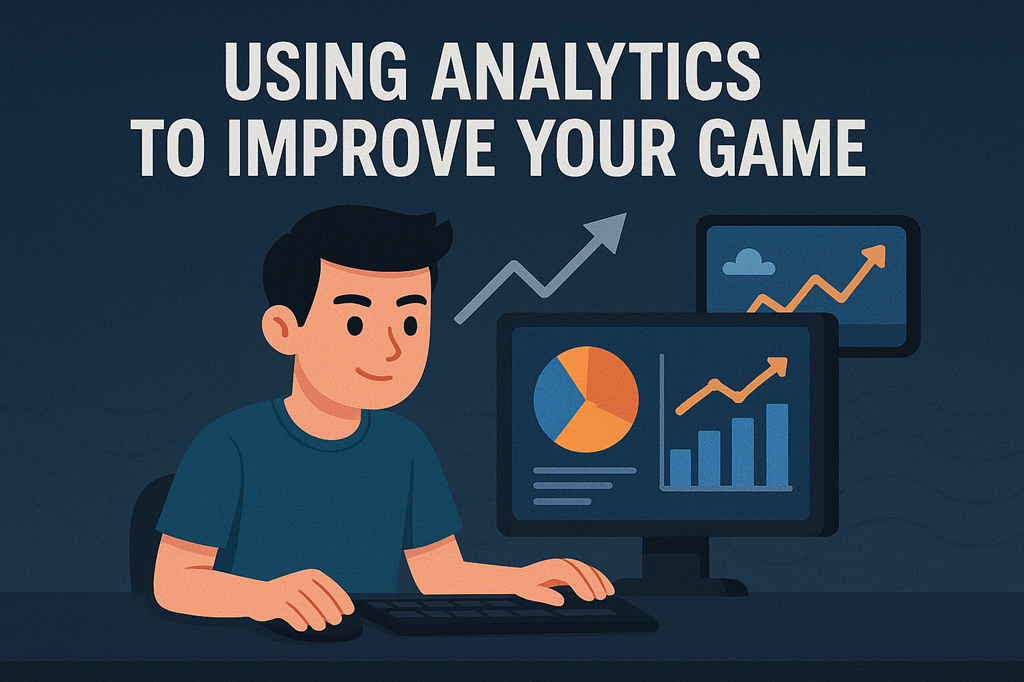
- Player retention
- Drop-off points
- Conversion rates
- Session length
Tools include:
- Firebase
- Unity Analytics
- GameAnalytics
- Adjust
20. Integrating Gamification Into Websites & Apps
Gamification improves:
- Engagement
- Loyalty
- Motivation
Techniques include:
- Points
- Levels
- Badges
- Quests
- Leaderboards
Perfect for e-learning, e-commerce, and SaaS.
21. The Role of Cloud Servers & LiveOps
LiveOps includes:
- Real-time updates
- Daily events
- Promotions
- Limited-time modes
Cloud servers ensure:
- Global performance
- Player matching
- Stable online experience
22. Working With Freelance Game Developers
Freelancers offer:
- Lower cost
- Quick development
- Specialized expertise
👉 Find top-rated freelancers:
https://topratedaffi.com/recommends/game-design-service/
23. Outsourcing vs. In-House Development
In-House:
- Full control
- Long-term growth
Outsourcing:
- Lower cost
- Larger talent pool
- Faster development
24. How to Choose the Best Game Developer for Your Project
Evaluate based on:
- Portfolio quality
- Technical skills
- Creativity
- Problem-solving ability
- Communication style
- Delivery consistency
- Pricing transparency
25. Common Mistakes in Game Development
Avoid:
- Over-scoping
- Ignoring optimization
- Poor UI
- Rushed testing
- No documentation
- Weak security
26. Best Tools & Software for Game Developers
Programming:
- Visual Studio
- JetBrains Rider
Art Tools:
- Blender
- Photoshop
- Substance Painter
Sound:
- Audacity
- FMOD
Version Control:
- GitHub
- Bitbucket
Engines:
- Unity
- Unreal
27. Testing, QA & Bug Fixing
Game QA ensures stability.
QA types:
- Functional testing
- Performance testing
- Stress testing
- Compatibility testing
- Automation scripts
28. Publishing Your Game
Platforms include:
- Google Play
- Apple App Store
- Steam
- Epic Games Store
Compliance is required for all platforms.
29. Marketing & Promoting Games
Promotional strategies:
- Social media ads
- Influencer marketing
- Discord communities
- Steam wishlists
- Press releases
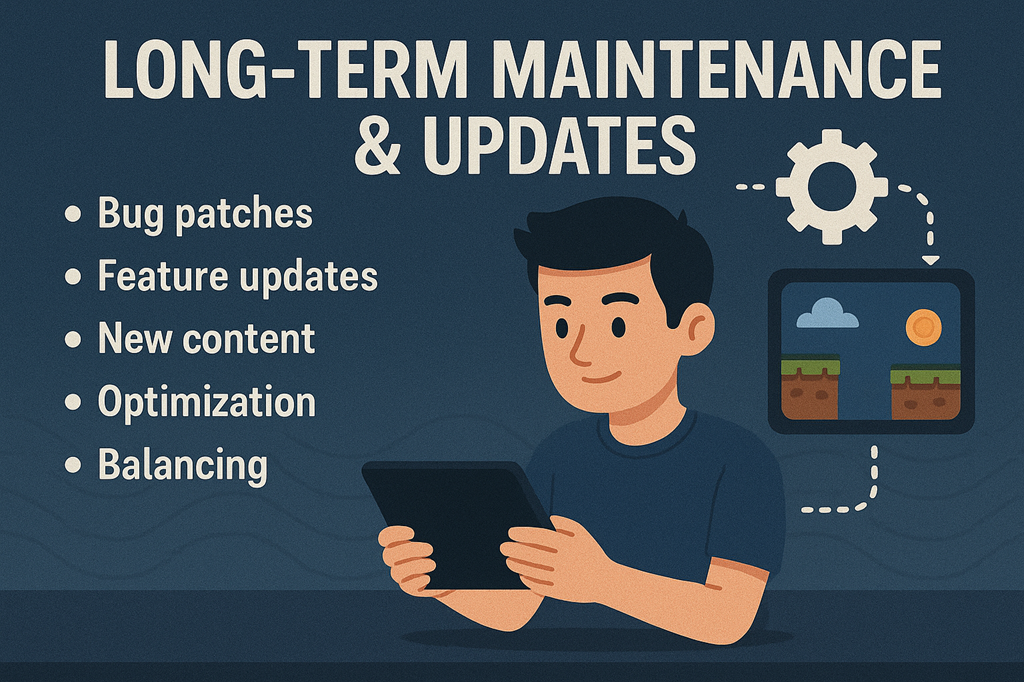
30. Long-Term Maintenance & Updates
Games require:
- Bug patches
- Feature updates
- New content
- Optimization
- Balancing
This keeps players engaged long-term.
31. Future Trends in Game Development
Upcoming trends:
- AI-driven NPCs
- Realistic physics
- Cloud streaming
- VR/AR worlds
- Cross-universe gaming
- Blockchain-based assets
Staying ahead is essential.
32. Final Thoughts
A professional Game Developer is essential for building high-quality, engaging, and scalable digital experiences. Whether for mobile, PC, console, or web, great development ensures smooth gameplay, immersive design, strong performance, and long-term success.
33. Author Bio
Author Bio:
“As a Fiverr Partner, I may earn a commission from qualifying purchases through these links—at no extra cost to you.”