
Digital marketing has become one of the most powerful drivers of modern business growth, reshaping how brands attract customers, communicate value, and scale profitably in today’s digital landscape. With billions of people now connected through smartphones, search engines, and social platforms, businesses of all sizes have an unprecedented opportunity to reach global audiences with precision, speed, and measurable impact.
From SEO and content creation to social media and paid advertising, online marketing offers flexible strategies that help brands increase visibility, strengthen credibility, and generate predictable revenue.
In this comprehensive guide, you will learn everything you need to build, execute, and scale a successful Internet marketing system—even if you’re starting from scratch.
Table of Contents
1. What Is Digital Marketing and Why It Matters
Digital marketing refers to the strategic promotion of products, services, or brands through online channels such as:
- Search engines
- Websites
- Social media
- Mobile apps
- Online advertising
- Video platforms
Unlike traditional marketing methods such as print, radio, or TV, online marketing provides precise targeting, measurable results, and scalable campaigns. Brands can track performance in real time, adjust strategies instantly, and reach audiences wherever they spend most of their time—online.
Why Digital Marketing Matters Today
Consumers now rely on digital platforms to:
- Research products
- Compare prices
- Read reviews
- Watch tutorials
- Engage with brands
- Make purchases
Without a strong digital presence, even great businesses remain invisible to potential buyers.
Digital marketing matters because it helps businesses:
- Reach targeted audiences
- Build brand trust
- Increase online visibility
- Generate qualified leads
- Drive consistent revenue
- Scale sustainably
As search engines and social networks evolve, Digital advertising will only continue to dominate how brands grow.
2. The Evolution of Digital Marketing
Digital marketing has changed dramatically over the past two decades. Understanding this evolution helps businesses prepare for the future.
The Early Internet Era (1990s–2000s)
- Websites were static and simple.
- Email marketing emerged as a primary communication tool.
- Search engines like Yahoo and early Google introduced keyword search.
The Social Media Explosion (2005–2015)
Platforms like Facebook, YouTube, X (Twitter), and Instagram transformed marketing:
- Brands could now interact with customers directly.
- User-generated content skyrocketed.
- Targeted advertising became extremely powerful.
Mobile-First Marketing (2015–2020)
With most web traffic shifting to smartphones:
- Responsive web design became mandatory.
- Social video content began dominating user attention.
- Mobile ads surpassed desktop ad spending.
AI-Powered Digital Marketing (2020–Present)
Artificial intelligence is reshaping every digital marketing channel:
- Predictive analytics
- Automated ad targeting
- AI-driven content creation
- Chatbots & smart personalization
Businesses that adopt AI early gain a major competitive advantage.
3. Key Components of a Successful Digital Marketing Strategy
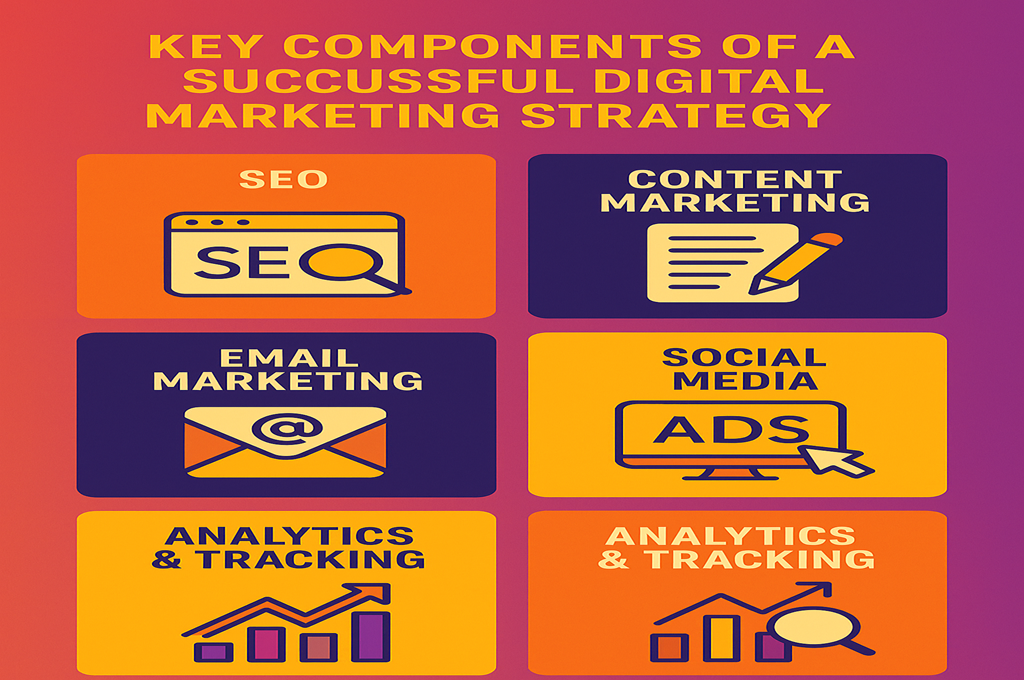
A strong online marketing system combines multiple channels working together. The core components include:
A. Search Engine Optimization (SEO)
SEO improves your website’s visibility in search engines such as Google or Bing.
Key elements include:
- Keyword research
- On-page optimization
- Technical SEO
- Backlink building
- Content optimization
SEO drives long-term, sustainable organic traffic.
B. Content Marketing
High-quality content builds authority and attracts visitors.
Examples include:
- Blog posts
- Articles
- Videos
- Infographics
- Case studies
- Guides & eBooks
Content marketing fuels SEO, social media, email, and brand trust.
C. Social Media Marketing
Platforms such as Facebook, Instagram, TikTok, LinkedIn, and YouTube help brands:
- Communicate with customers
- Build communities
- Drive engagement
- Promote content
- Generate leads
D. Email Marketing
Email remains one of the highest-ROI channels in online marketing.
It helps businesses:
- Nurture leads
- Increase repeat sales
- Deliver personalized offers
- Build long-term relationships
E. Paid Advertising (PPC)
Paid ads provide fast visibility and predictable scaling.
Common platforms include:
- Google Ads
- Facebook & Instagram Ads
- TikTok Ads
- LinkedIn Ads
- YouTube Ads
F. Analytics & Tracking
Tools such as Google Analytics and Hotjar show what’s working and what needs improvement.
4. Benefits of Implementing Digital Marketing for Your Business
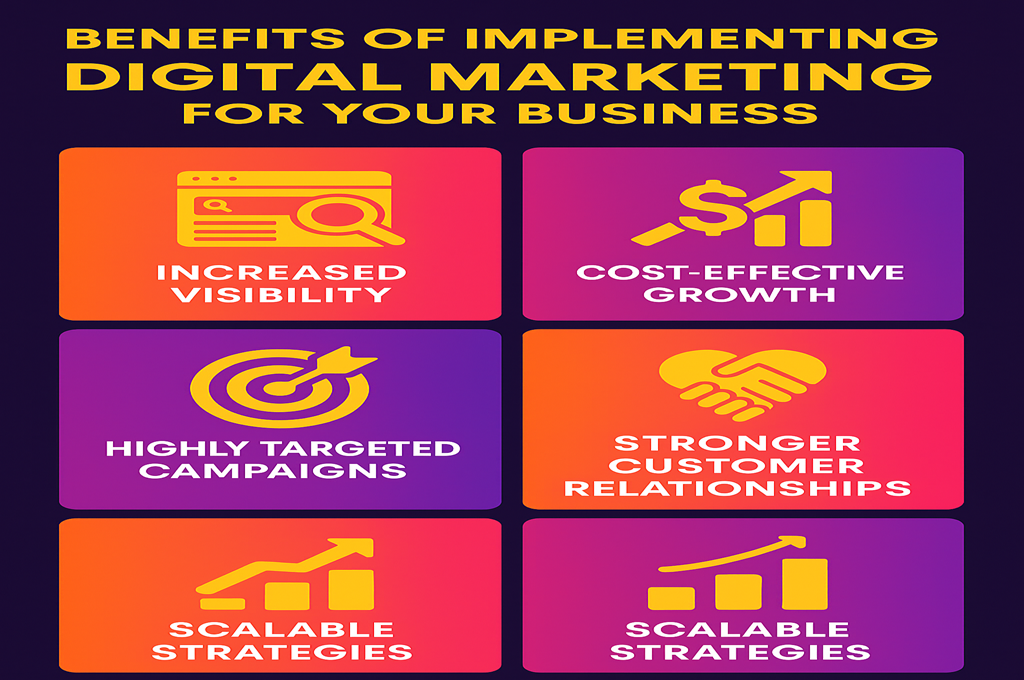
Digital advertising offers clear advantages over traditional marketing. Here are the top benefits:
1. Increased Online Visibility
Your business appears where customers actively search and spend time online.
2. Cost-Effective Growth
Digital ads and campaigns cost far less than traditional advertising.
3. Real-Time Performance Tracking
You see results immediately—traffic, leads, conversions, ROI.
4. Highly Targeted Campaigns
You can target audiences by:
- Age
- Location
- Interests
- Keywords
- Online behavior
5. Scalable Strategies
Digital campaigns can grow with your business at any pace.
6. Stronger Customer Relationships
Through email, social media, and personalized content, brands stay connected with customers consistently.
5. How Digital Marketing Improves Brand Awareness
Brand awareness is one of the most important goals of Digital advertising. Effective digital strategies help your brand stay visible, memorable, and trusted.
Ways Digital Marketing Improves Brand Recognition:
A. Search Engine Presence
Ranking on page one of Google drastically increases visibility.
B. Consistent Social Media Engagement
Frequent content builds familiarity and trust.
C. High-Value Content
Educational content positions your brand as an authority.
D. Paid Ads
Ads instantly place your brand in front of new audiences.
E. Retargeting
Retargeting ads remind visitors about your brand, increasing conversions.
6. Understanding the Digital Customer Journey
Every digital customer goes through a specific journey:
- Awareness – They discover your brand.
- Interest – They engage with your content.
- Consideration – They compare options.
- Conversion – They purchase.
- Retention – They become repeat customers.
- Advocacy – They recommend your brand.
Internet marketing supports every stage with personalized messaging and strategic touchpoints.
7. The Role of SEO in Digital Marketing
SEO is the backbone of sustainable digital growth. Major SEO components include:
A. On-Page SEO
Optimizing pages, titles, keywords, headers, and meta descriptions.
B. Technical SEO
Improving:
- Site speed
- Core Web Vitals
- Mobile responsiveness
- Sitemap indexing
- Crawlability
C. Off-Page SEO
Building authoritative backlinks through:
- Guest posting
- Digital PR
- Partnerships
- High-quality citations
D. Local SEO
Optimizes your presence in Google Maps and local search results.
Reference: Google Search Central — https://developers.google.com/search
8. The Role of Social Media in Digital Marketing
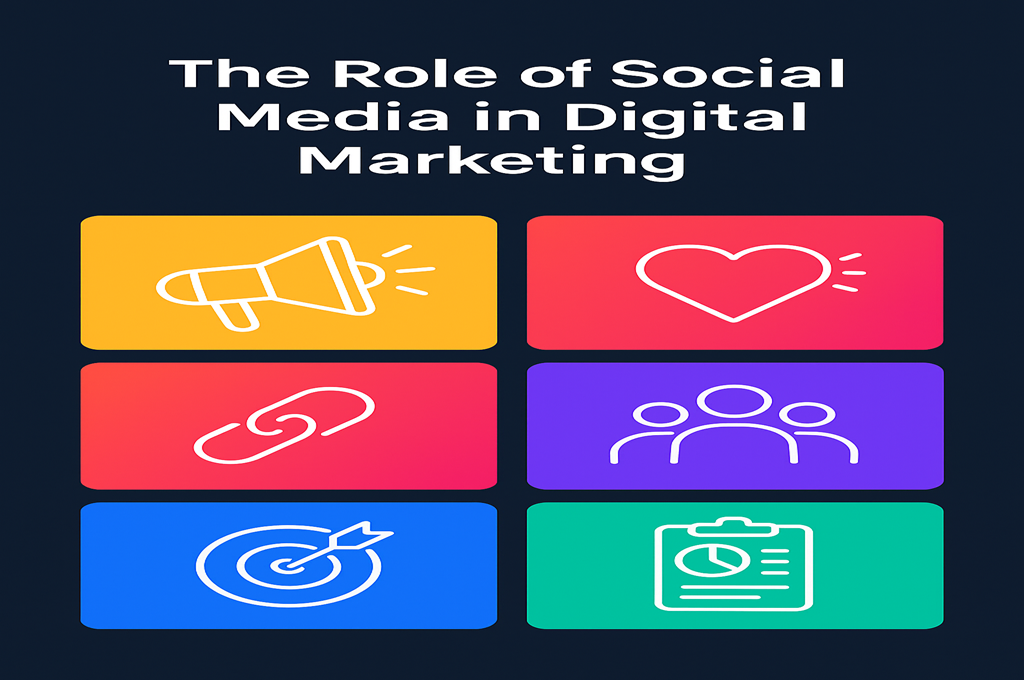
Social media is essential for communication and community building. Benefits include:
- Fast audience growth
- Direct engagement
- Viral visibility
- Community trust
- High-volume traffic
Each platform serves a unique purpose:
- Facebook: broad audiences
- Instagram: visual branding
- TikTok: viral short-form content
- LinkedIn: B2B marketing
- YouTube: long-form video authority
9. Content Marketing: The Engine Behind Digital Growth
Content is the heart of Internet marketing. It educates, persuades, and converts.
Types of Content That Drive Engagement:
- Blog articles
- Short videos
- Long-form guides
- Podcasts
- Downloadable resources
- Tutorials & how-to content
Quality content increases traffic, boosts SEO, and improves customer loyalty.
10. Email Marketing: Your Highest-ROI Digital Channel
Email marketing delivers an average ROI of $36 for every $1 spent.
Source: https://www.litmus.com/blog/email-marketing-roi/
Benefits:
- High personalization
- Automated workflows
- Direct connection with subscribers
- Excellent for upsells and customer retention
Email sequences nurture leads and transform them into loyal customers.
11. Paid Advertising (PPC): Fast Visibility and Scaling
Paid ads generate instant traffic and conversions. Common types include:
- Google Search Ads
- Display Ads
- Remarketing Ads
- Social Media Ads
- Shopping Ads
Paid ads are perfect for:
- New product launches
- Lead generation
- High-competition industries
12. Measuring ROI: Analyzing Digital Marketing Campaign Performance
Key ROI metrics include:
- Conversion rate
- CAC (customer acquisition cost)
- LTV (lifetime value)
- CTR (click-through rate)
- CPM & CPC
- Engagement rate
Tracking ROI ensures your budget is used effectively and helps scale winning strategies.
Useful tool: Google Analytics
https://analytics.google.com
13. Step-by-Step Guide to Launching a Digital Marketing Plan
Here is a full blueprint for launching your online marketing strategy:
Step 1: Set Clear Goals
Examples:
- Increase traffic
- Boost sales
- Build brand awareness
Step 2: Define Your Target Audience
Identify:
- Demographics
- Pain points
- Interests
- Online behavior
Step 3: Choose Your Digital Channels
Select SEO, social media, email, PPC, or a mix.
Step 4: Create High-Quality Content
Content should be helpful, engaging, and optimized.
Step 5: Implement Tracking Tools
Use analytics, heatmaps, pixel tracking, etc.
Step 6: Launch Campaigns
Roll out your SEO, ads, or email strategies.
Step 7: Optimize Continuously
Use data to improve results.
14. Top Tools and Platforms for Effective Digital Marketing
SEO Tools
- Ahrefs
- SEMrush
- Moz
- Google Search Console
Social Media Tools
- Hootsuite
- Buffer
- Meta Business Suite
Content Tools
- Canva
- Grammarly
- Adobe Express
Email Tools
- Mailchimp
- ConvertKit
- Klaviyo
Analytics Tools
- Google Analytics
- Hotjar
- HubSpot
15. Common Digital Marketing Mistakes & How to Avoid Them
Avoid these mistakes:
- Posting content without strategy
- Ignoring analytics
- Not optimizing for mobile
- Poor website speed
- Overusing keywords
- Ignoring customer feedback
Successful online marketing requires consistency and optimization.
16. Advanced Strategies for Scaling Digital Marketing
Once your foundation is strong, scale using:
- Marketing automation
- AI-driven targeting
- Conversion rate optimization (CRO)
- Funnel optimization
- Retargeting ads
- Multi-channel campaigns
17. Tips from Experts to Maximize Your Digital Marketing Results
Industry insights include:
- Test everything: ads, headlines, CTAs
- Create value-driven content
- Focus on customer experience
- Refresh outdated content
- Build strong internal linking structures
- Use storytelling in marketing
18. Future Trends Shaping the World of Digital Marketing
Upcoming trends include:
- AI-powered personalization
- Short-form video dominance
- Voice search optimization
- Cookieless advertising
- First-party data strategies
- AR/VR experiences
- Social commerce
Businesses that adapt early will thrive in the next decade.
19. Final Thoughts: Why Digital Marketing Is Essential for Business Growth
Internet marketing is no longer optional—it’s the foundation of modern business success. It enables brands to connect with customers, deliver value, scale profitably, and remain competitive. Whether you’re a small business or a global enterprise, investing in digital marketing ensures long-term growth and visibility.
Affiliate Recommendations
👉 Recommended Digital Marketing Tools & Services: https://topratedaffi.com/recommends/Digital-Marketing/
👉 Start Your Digital Marketing Growth System: https://topratedaffi.com/recommends/Digital-Marketing/
👉 Best Digital Marketing Resources for Beginners: https://topratedaffi.com/recommends/Digital-Marketing/
👉 Scale Your Marketing with Proven Strategies: https://topratedaffi.com/recommends/Digital-Marketing/
Author Bio
As a Fiverr Partner, I may earn a commission from qualifying purchases through affiliate links in this article—at no extra cost to you. I specialize in creating high-quality, SEO-optimized marketing content designed to help brands grow their online presence and succeed in competitive digital landscapes.